Teacher Tribe Sublimation: A Designer's Review for Embroidery Projects
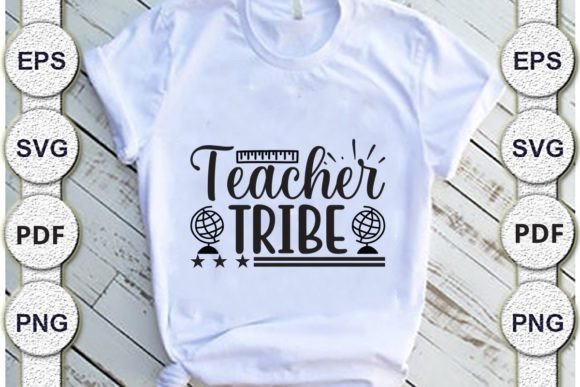
As a designer who spends more time staring at stitch maps than most people spend on their phones, I approach every new digital embroidery file with a mix of curiosity and skepticism. We've all been there: you buy a design that looks perfect in the thumbnail, only to find out it's a nightmare of underlay issues or impossible details once it hits the hoop. Recently, I've been evaluating the Teacher Tribe Sublimation graphic, not just as a sublimation transfer, but specifically for its potential adaptation into machine embroidery. While the product listing describes it as an SVG, PNG, DXF, and EPS package intended for cutting machines like Cricut and Silhouette, my mind immediately went to how this "Teacher Tribe" theme would translate into a stitched handmade product for a boutique client.
First Impressions: Mood and Visual Personality
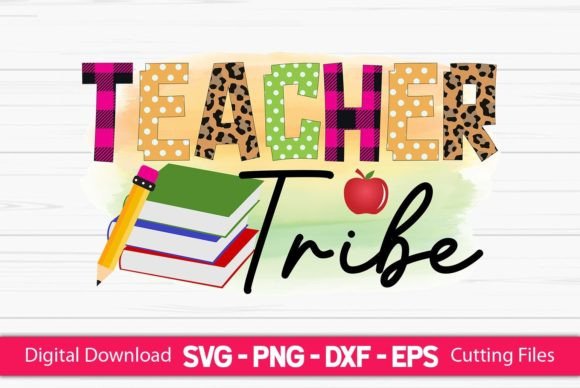
The moment I pulled up the Teacher Tribe Sublimation files, the vibe was unmistakable. It speaks directly to the sense of community and camaraderie that defines modern education teams. The layout feels inclusive and warm, avoiding the clichéd, overly cartoonish apples and pencils we saw a decade ago. Instead, it leans into a lifestyle aesthetic that fits perfectly with current trends in custom apparel. For an embroidery project, this visual personality is crucial. A design that feels dated will never sell well on Etsy, no matter how perfectly it stitches out. This graphic has the clean lines and balanced composition necessary to be converted into a viable applique design or a dense fill-stitch logo.
The shape and theme suggest versatility. It's not just for a staff meeting t-shirt; it has the gravitas to work on a structured tote bag or a high-quality sweatshirt. When I visualize this as a finished piece, I see it working beautifully as a chest logo on a teacher's lounge hoodie or as a central motif on a canvas market bag used for carrying grading papers. The "Tribe" aspect implies unity, making it an ideal candidate for group orders, which is a goldmine for any craft business looking to boost revenue during back-to-school season.
Real-World Application: From Screen to Stitch
Let's talk about a real-life scenario. Imagine a local elementary school principal approaches your small shop wanting matching gear for her team of twenty teachers. They want something professional yet fun. This is where Teacher Tribe Sublimation shines as a concept, even if we are pivoting from sublimation ink to thread. If you were to adapt this SVG into an embroidery format, the application possibilities are vast.
For a sweatshirt embroidery project, the design would need to be simplified slightly to accommodate the texture of fleece or French terry. A direct print-to-cut approach might leave too many tiny islands of fabric if used for appliqué, so a satin stitch border or a solid fill stitch background would be necessary to ensure durability. On a smoother fabric, like a polo shirt or a cotton tote, the details could remain sharper. I can easily picture this design centered on a tote bag design, serving as a durable alternative to a sublimated image that might crack over time. For baby embroidery, perhaps for a "future teacher" onesie gift, the scale would need to be reduced significantly, requiring a careful check of the smallest text elements to ensure they don't turn into a tangled mess of thread.
The value proposition here is strong. Customers trust handmade items that look professional. If you can successfully translate this graphic into a clean machine embroidery design, you elevate the perceived value of the garment. It moves from being a cheap promotional item to a cherished piece of personalized gift ware that a teacher actually wants to wear. This distinction is vital for Etsy sellers and boutique owners who rely on repeat customers and positive reviews.
Technical Considerations and Fabric Challenges
However, moving from a cut-file SVG to a stitched reality requires a critical eye. Since the original product is marketed for cutting machines, there is no pre-digitized stitch count or underlay strategy provided. This means the burden of technical execution falls entirely on you, the designer. If you plan to use this for commercial embroidery, you must digitize it yourself or hire a professional digitizer. You cannot simply load an SVG into an embroidery machine and expect magic.
When adapting Teacher Tribe Sublimation for embroidery, pay close attention to stitch density. Graphics designed for print or vinyl cutting often have large solid areas. In embroidery, a massive solid fill can cause puckering, especially on stretchy fabrics like jersey knits used for t-shirts. You may need to break these areas up with running stitches or incorporate texture to reduce bulk. Furthermore, consider the hoop size. If the design is large, it might require a jumbo hoop, which limits the types of garments you can decorate, particularly caps or sleeves.
Textured fabrics present another hurdle. If a customer wants this on a waffle-knit thermal or a rough canvas apron, the fine details of the "Tribe" lettering could get lost. In these cases, increasing the column width of satin stitches or opting for a appliqué method with a fabric backing might be smarter than trying to force a dense fill. Dark fabrics also require strategic planning. If the original graphic relies on transparency or light colors, you'll need to ensure your thread colors have enough contrast and potentially add a white underlay to prevent the garment color from bleeding through and dulling the design.
Practical Notes for the Serious Maker
Before you list this as a finished product in your small shop product lineup, rigorous testing is non-negotiable. Here is my checklist for anyone looking to utilize this asset:
- Test on Scrap First: Never run a new design on a client's garment without stitching it out on a similar scrap fabric first. Check for registration errors and puckering.
- Review Licensing: The product description mentions it is a digital file for cutting machines. You must verify if the license allows for commercial use of the embroidered finished goods. Just because you can cut it doesn't always mean you can sell the stitched version without restrictions.
- Check Small Details: Look at the thinnest lines in the SVG. If they are thinner than 3mm, they will likely be impossible to stitch with standard threads without breaking or looking messy.
- Stabilizer Selection: Match your stabilizer to the fabric. A heavy design on a lightweight tee needs a robust cut-away stabilizer, not just tear-away, to maintain shape after washing.
- Mockup Verification: Create black and white mockups to see how the design holds up without color distraction. This helps identify balance issues in the layout.
- Wash Testing: Wash the sample multiple times. Does the thread fray? Does the fabric pucker further? This determines if it's suitable for items that need frequent washing, like school uniforms.
Final Verdict on Commercial Viability
The Teacher Tribe Sublimation graphic is a potent asset for the right creator. It sits comfortably in the Crafts and Graphics categories but truly finds its home when elevated through skilled embroidery work. It offers a narrative that resonates with educators, fostering a sense of belonging that generic designs lack. For the creative entrepreneur, the opportunity lies in the translation. Taking a vector file meant for vinyl and reimagining it as a textured, tactile embroidered patch or a direct-to-garment stitch job adds a layer of craftsmanship that sublimation alone cannot achieve.
Ultimately, the success of this design in your portfolio depends on your technical ability to adapt it. It is not a plug-and-play solution for embroidery machines, but rather a high-quality source file for those willing to put in the digitization work. If you can navigate the challenges of stitch density and fabric compatibility, this design has the potential to become a staple in your holiday embroidery or back-to-school collections. It builds brand consistency for schools and offers a premium feel that customers are willing to pay for. Just remember: the devil is in the details, and in embroidery, those details are measured in millimeters and stitch counts. Do your homework, respect the medium, and this "Tribe" could become a loyal following for your business.