Teacher Love Inspire SVG Design: A Pro Review
As a designer who spends more time staring at stitch simulations than actual sunlight, I approach every new digital embroidery file with a mix of excitement and skepticism. We have all been there: you buy a cute graphic, load it into your software, and realize the lines are too close together for a clean satin stitch or the details will vanish on a textured towel. That is why I took a close look at the Teacher Love Inspire SVG Design. This isn't just about whether the artwork looks good on a screen; it is about how it translates from a vector path to a tangible, threaded reality on fabric.
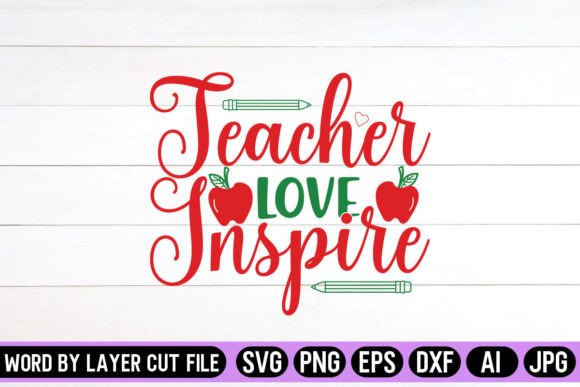
My first impression of this design is that it carries a warm, encouraging mood perfectly suited for the education sector. The layout feels balanced, likely utilizing a combination of script and sans-serif fonts to create visual hierarchy. For an embroidery project, this distinction is vital. If the "Love" or "Inspire" elements are in a flowing script, they will require careful digitizing to ensure the connections between letters hold up under tension. The theme is timeless, making it a versatile asset for anyone running a craft business targeting teachers, parents, or school administrators.
Real-World Application: The Custom Tote Bag Scenario
To truly evaluate this machine embroidery design, I imagined a specific real-life scenario. Picture a local elementary school PTA ordering fifty custom tote bags for Teacher Appreciation Week. They want something durable, professional, and heartfelt. This is where the Teacher Love Inspire SVG Design shines as a potential candidate. Tote bags usually feature a canvas or heavy cotton blend, which provides a stable foundation for stitching.
If I were prepping this file for that job, I would be looking at how the design scales. Does it lose its impact when resized to fit a standard 5x7 hoop? The strength of this graphic lies in its message. On a neutral-colored canvas tote, using high-contrast thread colors like navy blue or burgundy against the natural fabric would make the text pop. The visual personality of the design suggests it belongs on items meant to be carried with pride, such as teacher planners, library books bags, or even a personalized apron for the classroom art station.
However, the transition from a Graphics file to a stitched product requires foresight. Since the product description notes these are "Word By Layer SVG Files," this offers significant flexibility. As a reviewer, I appreciate layering because it allows me to separate elements in my embroidery software. I could potentially assign different stitch types to different words—perhaps a dense fill stitch for the bold words and a delicate satin stitch for the accents. This control is essential for creating a high-value handmade product that doesn't look like a generic heat transfer.
Navigating Fabric Textures and Stitch Density
While the design is promising, practical application demands we discuss where caution is needed. Not every surface is as forgiving as a canvas tote. If you plan to use this on a stretchy sweatshirt or a thin baby onesie, the stitch density becomes a critical factor. Heavy stitching on lightweight knit fabric can cause puckering, distorting the lovely curves of the typography. In these cases, selecting the right stabilizer is non-negotiable. A cut-away stabilizer would likely be necessary to support the weight of the thread over the life of the garment.
Furthermore, consider the hoop size constraints. If you are working on a cap or a curved surface, the design must fit within the limitations of your frame without hitting the border. Small details, like the cross of a "t" or the dot of an "i," can become problematic if the design is scaled down too far for a small embroidered patch or a pocket logo. Before committing to a production run, I always advise testing the design on scrap fabric that matches your final material. This simple step reveals if the running stitch outlines are too sparse or if the corners are sharp enough to penetrate the fabric cleanly.
Dark fabrics present another challenge. If you are stitching this onto a black teacher's cardigan, you must ensure the design includes enough solid areas to prevent the background fabric from showing through the stitches. Sometimes, a design that looks crisp in a printable mockup on a white background fails to deliver the same clarity on dark textiles due to thread sheen and coverage. Checking the design in both light and dark mockups before purchasing or stitching is a smart move for any Etsy seller or boutique owner.
Commercial Viability and Brand Consistency
For those of us selling custom apparel or small shop products, the commercial potential of the Teacher Love Inspire SVG Design is a major consideration. This type of evergreen theme performs well year-round, not just during back-to-school season. It fits seamlessly into a catalog of personalized gifts, from nursery decor for a teacher's own child to holiday embroidery for staff gifts.
The professionalism of the finished item directly impacts customer trust. A clean, well-executed stitchout tells the buyer that you care about quality. Conversely, a design with poor flow or broken lines can damage your reputation. Because this download includes multiple formats like AI, EPS, DXF, and PNG, it integrates well into various workflows. You can use the PNG for design assets in marketing materials while using the vector files to generate the specific embroidery instructions your machine needs. Just remember to verify the licensing terms included in the zip file to ensure you are compliant when selling finished items or digital derivatives.
Final Verdict for the Working Designer
In summary, the Teacher Love Inspire SVG Design offers a strong foundation for meaningful Crafts projects. Its value lies in its emotional resonance and adaptable layout. However, its success depends entirely on the executor's attention to detail. It is not a "load and go" situation for complex fabrics. You must respect the mechanics of embroidery.
- Test First: Always stitch out on scrap material identical to your final product.
- Check Contrast: Ensure your thread choices provide sufficient visibility against the fabric texture.
- Review Density: Adjust fill patterns if the design feels too heavy for lightweight garments.
- Verify Licensing: Confirm commercial rights before listing finished goods on Etsy or at craft fairs.
Ultimately, this design has the potential to elevate a simple piece of cloth into a cherished keepsake. Whether it ends up on a cozy blanket for a newborn teacher's baby or a sturdy bag for carrying lesson plans, the result depends on your skill in translating these digital layers into thread. With the right preparation and a keen eye for finished product quality, this asset can be a reliable staple in your creative arsenal.