School Mode on SVG: A Designer's Review for Stitchers
As a designer who spends more time staring at stitch maps than most people care to admit, I approach every new digital embroidery file with a mix of excitement and skepticism. We have all been there: you buy a cute graphic, load it into your software, and realize the density is a nightmare or the details are too fine for anything other than a display piece. That is why I took a close look at School Mode on SVG. This isn't just about whether the image looks good on a screen; it is about how it translates from a vector path to a tangible handmade product that a customer will wear, wash, and love.
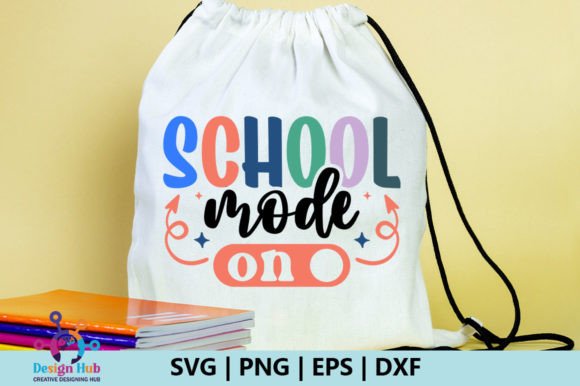
My first impression of School Mode on SVG was its clean, versatile personality. The design carries a playful yet structured mood that fits perfectly within the back-to-school season but extends well beyond August. Whether you are running a busy craft business or stitching gifts for family, the layout feels intentional. It avoids the cluttered look that often plagues educational themes, opting instead for clear shapes that suggest a high-quality finished product. For an Etsy seller or boutique owner, this visual clarity is crucial because it signals professionalism before a single thread is pulled.
Putting the Design to the Test: Real-World Scenarios
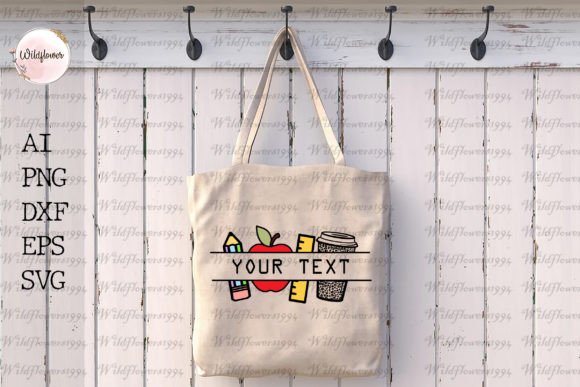
To truly evaluate this asset, I imagined a specific project: a custom tote bag design for a local teacher appreciation event. Tote bags are notorious for being tricky; the canvas texture can swallow fine details, and the seams often interfere with hoop placement. School Mode on SVG, however, seemed up to the challenge. Because the files provided include scalable vectors (SVG, EPS, DXF), I could resize the artwork to fit a standard hoop without losing definition. This scalability is a lifesaver when moving between different projects, like shifting from a large sweatshirt embroidery piece to a smaller embroidered patch.
In a hypothetical run on a cotton twill tote, the bold lines of the design would likely hold up well against the fabric weave. If I were using this for baby embroidery on a soft onesie, I would scale it down significantly. The simplicity of the graphic ensures that even at a smaller size, the theme remains recognizable. This adaptability makes it a strong candidate for commercial embroidery where you might need to offer the same design on various products ranging from caps to pillow covers.
For those creating printable mockups or digital previews for their online shops, the included PNG and high-resolution vector files are invaluable. They allow you to create realistic design assets for your listings without needing to stitch a sample of every color variation immediately. This efficiency helps small shop product owners keep their catalogs fresh and engaging.
Navigating Fabric Textures and Stitch Challenges
While the design is robust, practical application requires caution. When working with textured fabrics like Terry cloth for towels or thick fleece for hoodies, the interaction between the stitch density and the fabric pile becomes critical. Although the specific stitch count isn't listed in the package details, the vector nature of the file suggests you have control over how the design is digitized or filled. If you are using this as a base for a fill stitch application, ensure your tension is balanced to prevent puckering, especially on stretchy materials.
Curved surfaces present another hurdle. If you plan to place School Mode on SVG on a cap or a visor, remember that the curvature distorts the visual perspective. A design that looks centered flat might appear off-balance once stitched onto a dome. I recommend doing a test run on scrap fabric that matches your final material. This step is non-negotiable for maintaining customer trust. Nothing damages a brand's reputation faster than a warped logo on a premium custom apparel item.
Dark fabrics also require strategic thinking. The design's outlines might get lost against a navy or black background unless you utilize a satin stitch border or an underlay that pops. Conversely, on light fabrics, ensure your thread colors provide enough contrast to make the "school" theme stand out. A muted palette might look sophisticated, but for school-themed items, vibrant primary colors often drive better engagement and sales.
Maximizing Value for Makers and Sellers
The true value of School Mode on SVG lies in its potential to enhance your brand consistency. When customers see a cohesive look across your holiday embroidery collections, graduation gifts, and everyday wear, they begin to recognize your style. This design fits seamlessly into a broader narrative of education, growth, and creativity. It works exceptionally well for personalized gift items where you might add a name or date below the main graphic. The clean lines leave ample room for monogramming without overcrowding the hoop.
For applique design enthusiasts, this graphic could serve as an excellent template. You could cut fabric shapes to match the vector paths and secure them with a neat satin edge. This technique adds texture and dimension, elevating a simple t-shirt into a boutique-quality garment. However, always verify the licensing terms included in the zip file. While the description highlights quality work and resizable vectors, confirming whether the license allows for unlimited commercial sales of finished physical goods is essential before listing items on Etsy or at craft fairs.
Final Verdict and Practical Tips
In summary, School Mode on SVG is a solid addition to any designer's library, particularly for those focusing on seasonal trends and educational themes. Its strength lies in its flexibility and clean aesthetic, which translates well across various embroidery projects. To get the best results, follow these practical steps:
- Test First: Always stitch a sample on scrap fabric identical to your final product to check for registration issues.
- Check Stabilizer: Match your stabilizer to the fabric weight; heavy designs on light fabric need strong support to prevent sagging.
- Review Details: Zoom in on your software to inspect tiny corners or lettering. If elements look too close together, consider simplifying them before stitching.
- Color Contrast: Experiment with thread combinations. Sometimes a two-tone approach works better than a full-color render on certain textures.
- Verify Formats: Ensure your machine reads the specific file format (DST, PES, XXX, etc.) you intend to use, converting from the provided SVG/DXF if necessary.
Ultimately, this design offers a reliable foundation for creating memorable small shop products. Whether you are making a single personalized gift or批量 producing merchandise for a school fundraiser, School Mode on SVG provides the professional polish needed to impress. Just remember that the file is only half the equation; your expertise in handling fabric, tension, and presentation is what turns a digital graphic into a cherished keepsake.