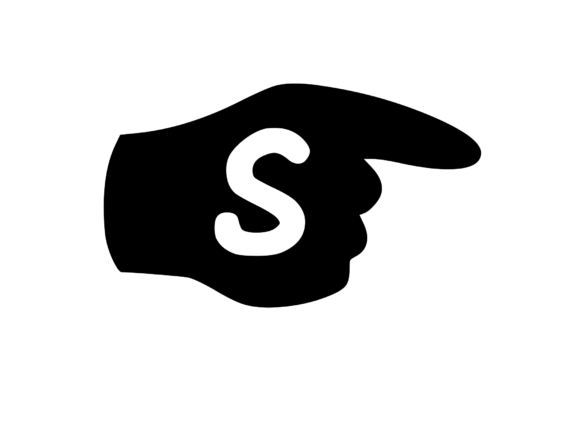
Review: Pointing Hand with Playful Mono 9
As a designer who has spent years digitizing patterns and testing machine embroidery design files on everything from delicate baby onesies to heavy canvas tote bags, I have learned that the difference between a good product and a great one often lies in the details. When I first loaded Pointing Hand with Playful Mono 9 into my software, I was looking for more than just a cute graphic. I needed a versatile asset that could hold its own in a commercial setting while retaining the charm that drives sales for handmade goods. This review breaks down how this specific Graphics asset performs in real-world Crafts applications, offering practical insights for fellow designers, Etsy sellers, and hobbyists.
First Impressions and Visual Personality
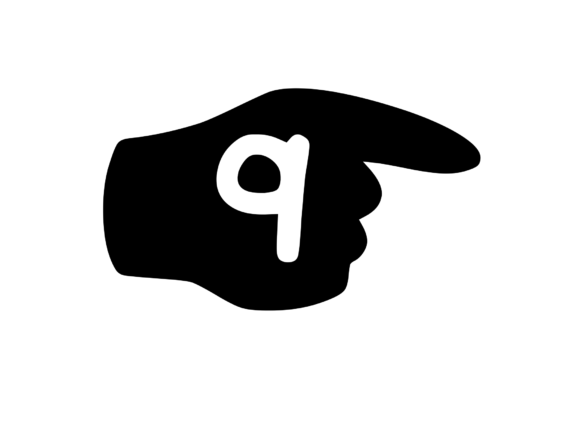
The immediate appeal of Pointing Hand with Playful Mono 9 is its clean, monoline aesthetic. In the world of digital design assets, mono-line styles are incredibly popular because they translate well across various mediums. However, for embroidery, simplicity can be a double-edged sword. If lines are too thin, they disappear into the fabric texture; if they are too thick, they lose their playful nuance.
This design strikes a thoughtful balance. The pointing hand gesture is universal, conveying direction, attention, or invitation without being aggressive. The "playful" aspect comes through in the slight curvature of the fingers and the organic flow of the line work. It feels modern and approachable, making it an excellent candidate for brands that want to appear friendly and accessible. For an Etsy seller or small shop owner, this visual personality is crucial. It suggests a brand that is professional yet personable, which helps build customer trust before a single stitch is made.
Real-World Application: The Custom Tote Bag Test
To truly evaluate an embroidery file, you must take it off the screen and onto the hoop. I recently used Pointing Hand with Playful Mono 9 for a batch of custom canvas tote bags intended for a local bookstore’s promotional campaign. The goal was to create a handmade product that felt high-end but remained cost-effective to produce.
I placed the design on the lower right corner of the bag, using a contrasting white thread on natural unbleached cotton. The result was striking. The mono-line style allowed the texture of the canvas to show through slightly, giving the stitching a breathable, integrated look rather than sitting heavily on top of the fabric. Because the design is essentially a single continuous theme, it stitched out quickly, which is vital for maintaining profitability in a craft business. Customers responded positively to the minimalist vibe, noting that it looked like a boutique item rather than mass-produced merchandise. This confirms that the design works exceptionally well for tote bag design projects where subtlety is key.
Versatility Across Apparel and Home Decor
Beyond totes, I see significant potential for Pointing Hand with Playful Mono 9 in custom apparel. On a sweatshirt, particularly in the chest pocket area or as a small sleeve detail, the design adds a touch of whimsy without overwhelming the garment. For sweatshirt embroidery, I recommend using a slightly heavier weight thread to ensure the lines remain visible against the fuzzy texture of fleece or French terry cloth.
The design also translates beautifully to baby embroidery projects. Imagine this pointing hand on a muslin swaddle or a nursery pillow cover, perhaps pointing toward a name or a birth date. The gentle curves are safe and appealing for children’s items. However, when working on smaller items like baby clothes, scale becomes critical. You must ensure the design is resized appropriately so that the details do not become lost or cause puckering on thin fabrics.
For those creating embroidered patch products, this graphic is a strong contender. The closed or nearly-closed nature of many mono-line designs allows for easy satin stitch borders if desired, or it can be left raw-edge for a modern look. Patches are a high-margin small shop product, and a recognizable, simple icon like this can become a signature element for a brand.
Technical Considerations and Stitching Advice
While Pointing Hand with Playful Mono 9 is user-friendly, it requires careful technical handling. Since this is provided as an SVG and likely converted or used as a digital embroidery file, understanding stitch types is essential. Mono-line designs often rely on running stitch or very narrow satin stitch columns.
- Stitch Density: Check the density settings in your software. If the stitch count is too low for the fabric, the threads may gap. If too high, you risk perforating delicate materials.
- Stabilizer Choice: Always use a appropriate stabilizer. For stretchy fabrics like t-shirts, a cut-away stabilizer is non-negotiable to prevent distortion. For woven fabrics like linen or cotton, a tear-away may suffice, but test first.
- Fabric Texture: On textured fabrics like towels or wool, the fine lines of a mono design can get lost. In these cases, consider increasing the stitch width slightly or using a high-sheen thread like rayon or polyester to catch the light and improve visibility.
- Hoop Size: Confirm your hoop size before starting. While this design is likely small, ensuring it fits within your standard hoops allows for efficient batching and production.
It is also important to note that if you are using this for commercial embroidery, you must verify the licensing terms. The description mentions it is great for artists and designers to reproduce, but always confirm whether the license covers finished physical goods, digital prints, or both. Never assume; always check the specific license included with your purchase.
Enhancing Product Value and Brand Consistency
Incorporating Pointing Hand with Playful Mono 9 into your product line can enhance perceived value. A well-executed embroidery project signals quality and effort. When customers see clean, consistent stitching, they associate that professionalism with your entire brand. This design, with its clean lines, is forgiving for beginners but polished enough for experts, making it a reliable staple in your library of design assets.
For holiday embroidery or seasonal gifts, this pointing hand can be adapted creatively. Add a small heart at the fingertip for Valentine’s Day, or pair it with text for a personalized gift. Its neutrality allows it to adapt to various themes without losing its core identity. This flexibility is invaluable for personalized gift creators who need to pivot quickly between seasons.
Final Verdict for Designers and Makers
Pointing Hand with Playful Mono 9 is a robust addition to any designer’s toolkit. It bridges the gap between digital art and tactile craft effectively. Whether you are creating printable mockup previews for your online store or stitching the final finished product for a client, this design holds up under scrutiny. It encourages creativity while respecting the technical limitations of embroidery machines.
My advice is to start with a test run on scrap fabric similar to your final material. Experiment with different thread colors to see how contrast affects readability. Once you master the tension and stabilization for this specific file, you will find it becomes a go-to element for adding a playful, professional touch to your embroidery project lineup. For makers looking to stand out in a crowded market, this design offers the perfect blend of simplicity and character.