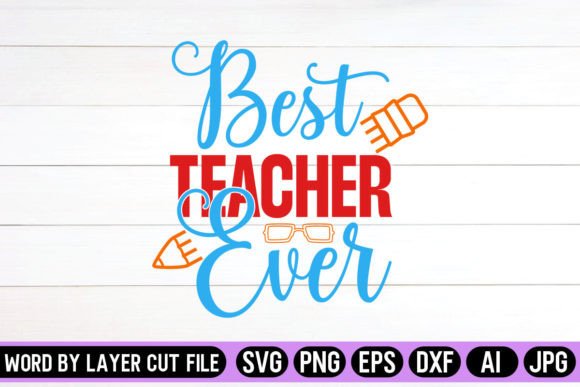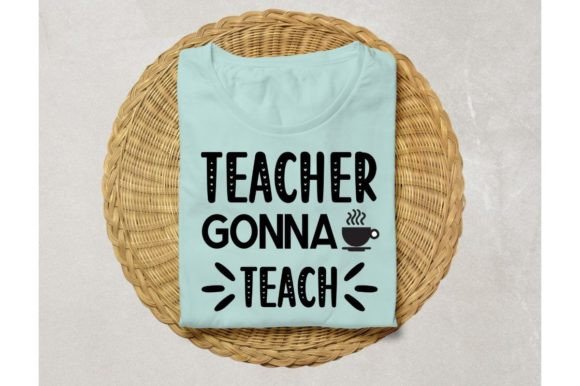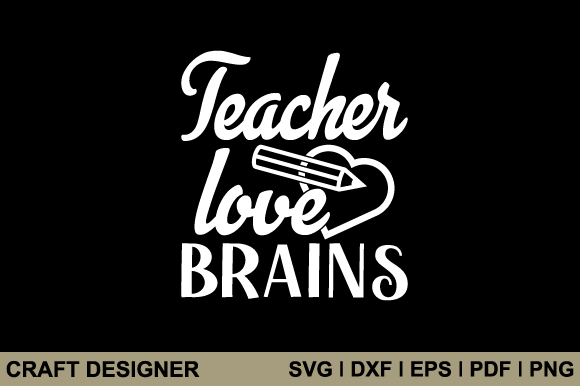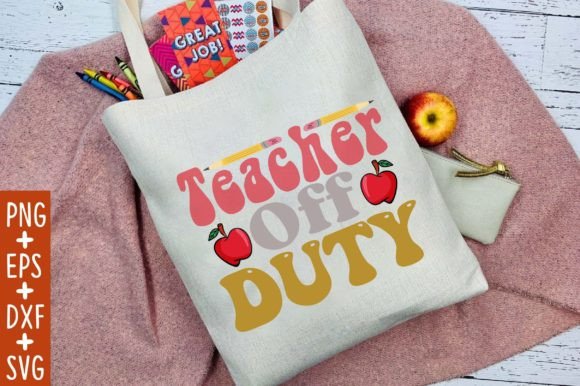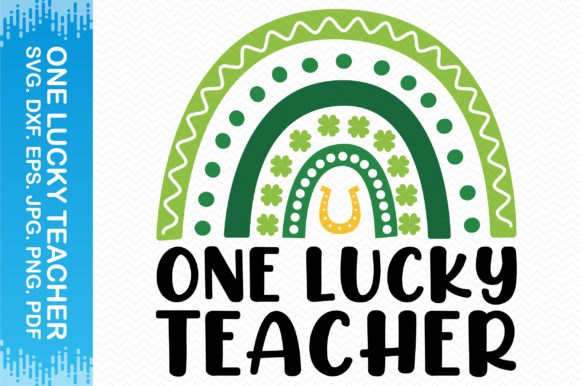
One Lucky Teacher Clipart: Graphics for Crafts & Brands
As a brand designer and content marketer, my first interaction with any graphic design asset is never just about aesthetics; it is about potential. When I opened the folder for One Lucky Teacher Clipart, I wasn't just looking at a cute illustration. I was evaluating a tool for storytelling. The initial impression is one of warmth and approachability. The design carries a playful yet polished mood that immediately signals "community" and "celebration." For brands operating in the education sector, lifestyle niches, or handmade markets, this emotional tone is invaluable. It avoids the sterile feel of corporate stock photography, offering instead a handcrafted vibe that fosters immediate audience trust.
In the current landscape of content marketing, visual consistency is the currency of recognition. This asset shines because it feels intentional. Whether you are a small business owner launching a back-to-school campaign or a digital seller creating a new product line, the way this illustration renders suggests quality. It does not look messy or amateurish; rather, it brings a level of professional branding to casual topics. This balance is difficult to achieve. Many clipart options lean too heavily into childish whimsy, alienating adult buyers, or they are too rigid. One Lucky Teacher Clipart strikes a sweet spot, making it suitable for everything from premium visuals for teacher appreciation gifts to lively social media graphics.
Integrating Versatile Formats into Real Campaign Workflows
To understand the true value of this design bundle, let's frame a real-world scenario. Imagine a boutique stationery shop preparing for a seasonal push. They need to refresh their social media graphics, design packaging inserts, and create a series of Pinterest pins. The versatility of receiving files in SVG, PNG, EPS, PDF, JPG, and DXF format transforms this single purchase into a comprehensive solution. The inclusion of a ZIP folder containing an SVG file suitable for Cricut cutting machines means the asset bridges the gap between digital marketing and physical product creation seamlessly.
For the digital side, the high-resolution PNG design files are ready for immediate deployment in Canva templates. A social media manager can drop these into Instagram stories or Facebook ads without worrying about pixelation. The transparency allows for flexible placement over branded backgrounds, ensuring the visual hierarchy remains intact. Meanwhile, the vector-based formats like EPS and SVG allow a graphic designer to scale the image for large-format printing, such as event banners or trade show posters, without losing edge definition. This adaptability is crucial for maintaining a cohesive brand identity across different touchpoints.
Consider the physical application. A product creator could use the DXF or SVG files to create custom stickers or heat transfers for merchandise. This turns a simple digital download into a tangible printable design that adds value to a physical product. When a customer receives a package with a custom sticker featuring this art, the perceived value of the brand increases. It signals attention to detail and a commitment to modern design standards. Furthermore, for those selling on platforms like Etsy, using these files to create sublimation designs or iron-ons expands the revenue stream, turning one asset into multiple digital products.
Strategic Placement for Maximum Audience Engagement
The effectiveness of One Lucky Teacher Clipart lies in knowing where to deploy it. It works exceptionally well as a hero graphic on a landing page dedicated to educational resources. Here, it acts as an anchor, drawing the eye and setting a welcoming tone before the user even reads the copy. In email marketing, placing this illustration in the header of a newsletter can significantly improve open rates by breaking the monotony of text-heavy layouts. It serves as a decorative brand element that reinforces the theme without overwhelming the message.
For editorial design, such as blog headers or downloadable guides, this asset provides a necessary visual break. It supports the narrative, making complex information feel more accessible and friendly. In the realm of packaging design, it can be used as a focal point on a label or as a subtle pattern background when tiled correctly. The key is to let the illustration support the main message, not compete with it. When used in digital ads, it helps the creative stand out in a crowded feed, offering a splash of color and personality that generic photos often lack.
However, a prudent designer knows that no asset is universal. There are contexts where One Lucky Teacher Clipart should be used with caution. In formal corporate branding or dense information layouts where data density is high, this playful style might undermine the seriousness of the content. Similarly, on very small mobile graphics where detail is lost, or against low-contrast backgrounds, the impact may diminish. It is also less effective for overly minimal brands that rely strictly on typography and negative space. If the design competes with the main call-to-action text, it becomes noise rather than signal. Always ensure the asset enhances readability and does not clutter the marketing visuals.
Designer Notes: Testing for Professional Results
Before finalizing any campaign, I recommend a rigorous testing phase. First, test the asset against your specific brand color palette. While the original colors are charming, recoloring the SVG to match your brand guidelines can create a more unified look. Check how the design performs in black and white; a strong illustration should hold its form even without color, which is essential for faxed documents or cost-effective single-color printing.
Place the graphic inside real campaign mockups rather than viewing it in isolation. Preview it on mobile screens to ensure that the details of the "lucky" elements remain clear on smaller displays. Compare it against competitor visuals in your niche to ensure it offers a unique angle rather than blending in. Pay close attention to typography pairing. This asset pairs beautifully with handwritten fonts for a personal touch, but it also balances well with clean sans-serif fonts for a more contemporary feel. Avoid pairing it with overly ornate serif fonts that might make the overall composition feel dated.
Finally, review spacing and balance. Ensure there is enough breathing room around the clipart so it doesn't feel cramped. Most importantly, confirm the commercial license terms before using this in paid campaigns, client work, or business branding. Understanding the rights associated with the Crafts and Graphics you purchase is fundamental to protecting your business. When used strategically, One Lucky Teacher Clipart is more than just a file; it is a catalyst for stronger recognition, emotional connection, and memorable campaign visuals that resonate with your audience.